Vol. 6 No. 2 (2023): Regular Issue
The articles published in Teknomekanik Volume 6, Issue 2 (2023) showcase recent advances in mechanical engineering, materials engineering, thermal systems, energy efficiency, environmental engineering, and computational modeling. This issue brings together 7 research articles authored by 28 researchers from 15 institutions across 8 countries, including Bangladesh, India, Indonesia, Japan, Kazakhstan, Libya, Qatar, and Taiwan.
The contributing institutions include Comilla University and the University of Dhaka (Bangladesh); Andhra University, MVGR College of Engineering, and Raghu Engineering College (India); Universitas Indonesia, Universitas Muhammadiyah Magelang, Universitas Negeri Medan, Universitas Negeri Padang, and Universitas Pendidikan Indonesia (Indonesia); Hiroshima University (Japan); Institute of Metallurgy and Ore Beneficiation JSC and Satbayev University (Kazakhstan); Higher Institute of Science & Technology of Zawia (Libya); Qatar University (Qatar); and National Cheng Kung University (Taiwan). These contributions reflect the journal’s commitment to fostering international collaboration and promoting the exchange of engineering knowledge across diverse scientific and technological communities.
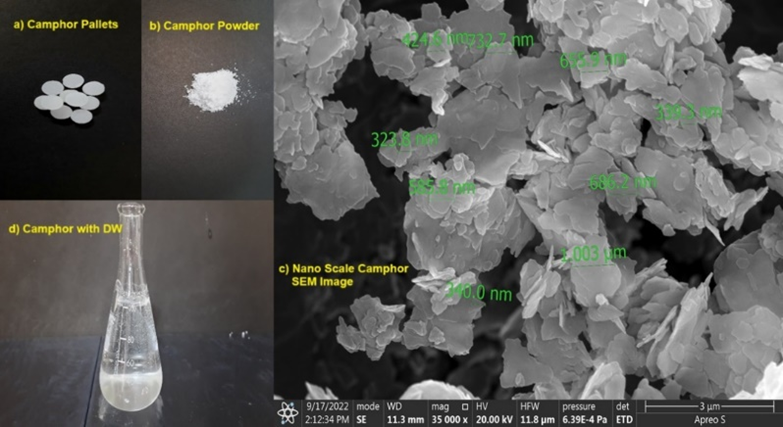
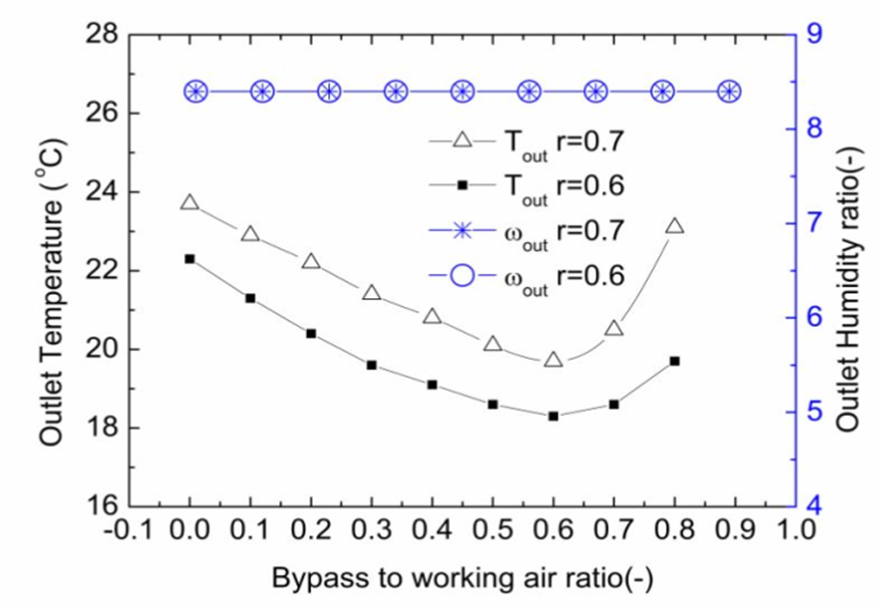
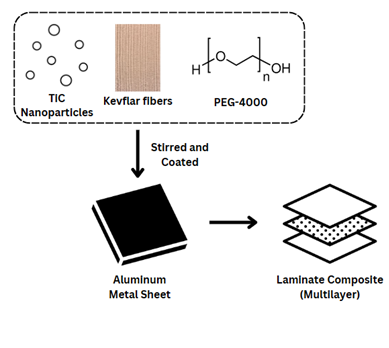
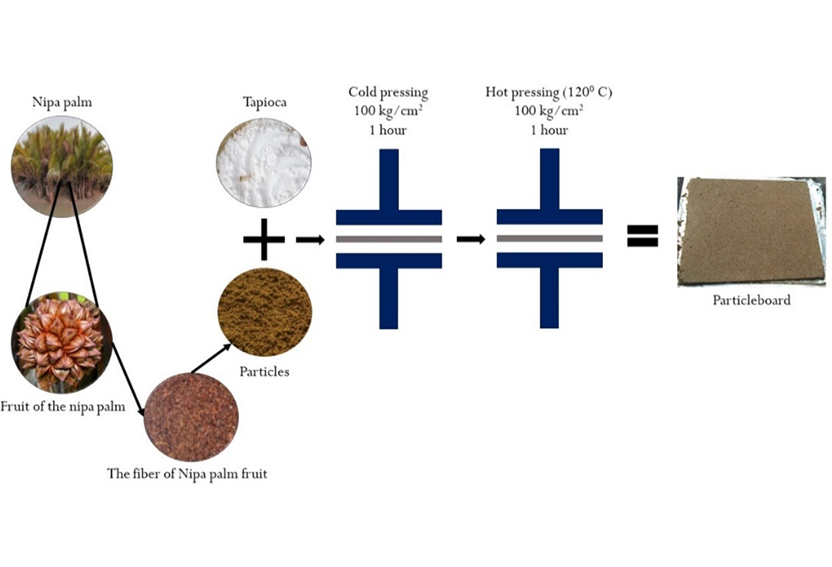
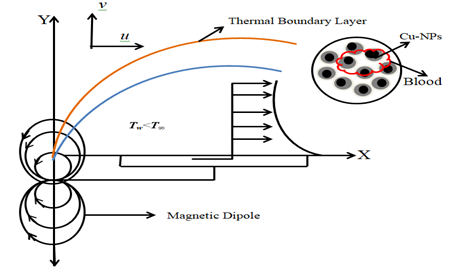
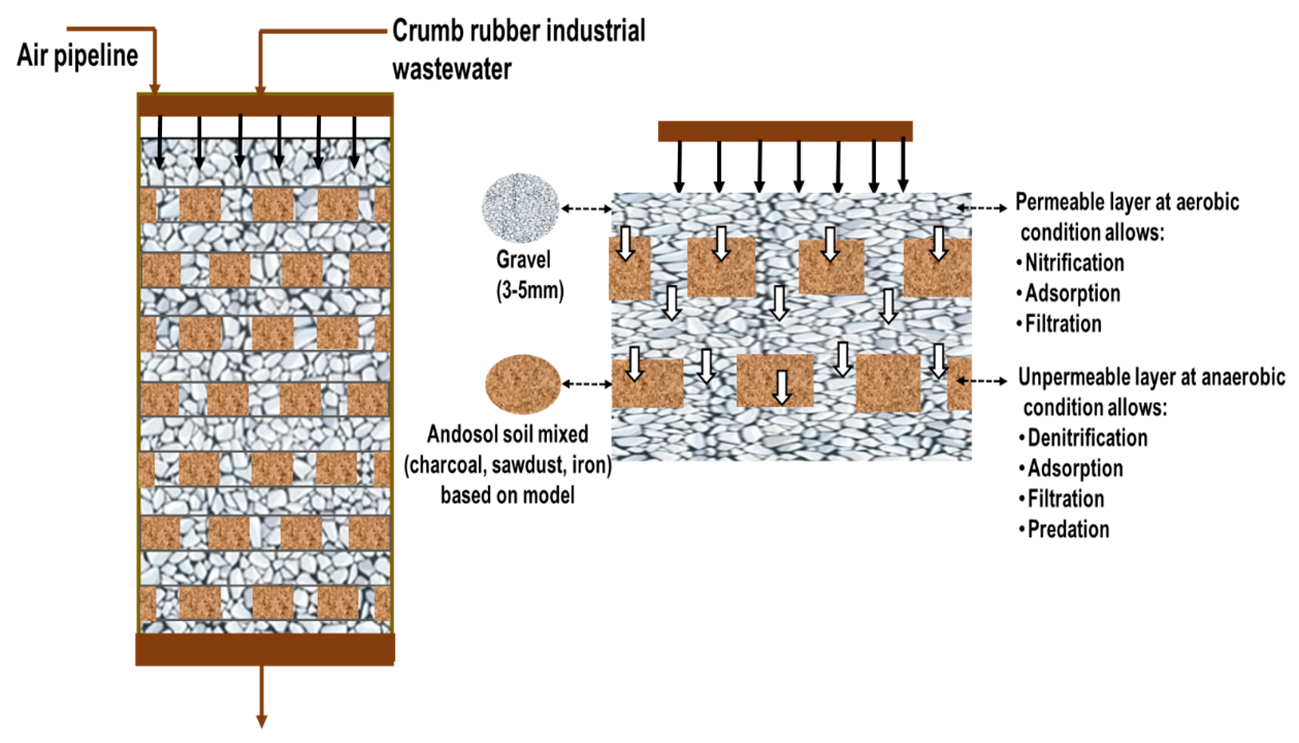
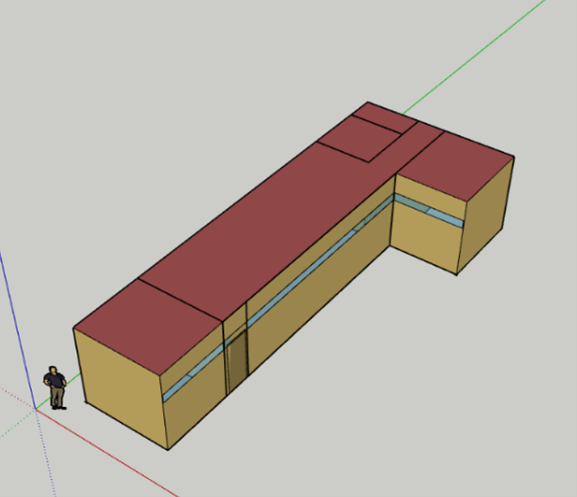
The published papers address a broad range of contemporary engineering challenges, including the enhancement of automotive radiator heat transfer performance using camphor nanoparticles, experimental evaluation of liquid desiccant-based indirect evaporative cooling systems, mechanical performance improvement of laminate composites through Kevlar layering and titanium carbide nanoparticle reinforcement, characterization of Nipah-based particle boards as sustainable engineering materials, numerical investigation of biomagnetic nanofluid heat and flow transfer under magnetic dipole and thermal radiation effects, wastewater treatment using multi-soil-layering systems for pollutant reduction in crumb rubber industrial effluents, and the assessment of building shape configurations and window-to-wall ratios on energy consumption, thermal comfort, and daylighting performance. The issue highlights the growing integration of advanced materials engineering, thermal management technologies, sustainable environmental solutions, computational simulations, energy-efficient systems, and engineering design optimization to address emerging industrial and societal challenges.
In line with the journal’s focus and scope, this issue contributes to the advancement of knowledge in mechanical systems, materials and manufacturing technologies, thermal and energy engineering, environmental engineering, computational modeling, sustainable building design, and interdisciplinary engineering innovation. The findings presented in these studies provide valuable scientific insights and practical solutions for researchers, educators, industry practitioners, and policymakers working toward sustainable technological development and industrial advancement.