Vol. 9 No. 1 (2026): Regular Issue
The articles published in Teknomekanik Volume 9, Issue 1 (2026) showcase recent advances in mechanical engineering, materials engineering, computational engineering, energy systems, manufacturing technologies, and interdisciplinary engineering applications. This issue brings together 8 research articles authored by 44 researchers from 14 institutions across 5 countries, including Australia, China, Indonesia, Italy, and Taiwan.
The contributing institutions include The University of Western Australia (Australia); Beijing Institute of Technology (China); Institut Teknologi Sepuluh Nopember, IPB University, National Research and Innovation Agency (BRIN), Universitas Lambung Mangkurat, Universitas Medan Area, Universitas Mercu Buana, Universitas Negeri Medan, Universitas Negeri Padang, Universitas Sumatera Utara, and Universitas Tridinanti (Indonesia); Sapienza University of Rome (Italy); and Chung Yuan Christian University (Taiwan). These contributions reflect the journal’s sustained commitment to fostering international collaboration and promoting global engagement in engineering research.
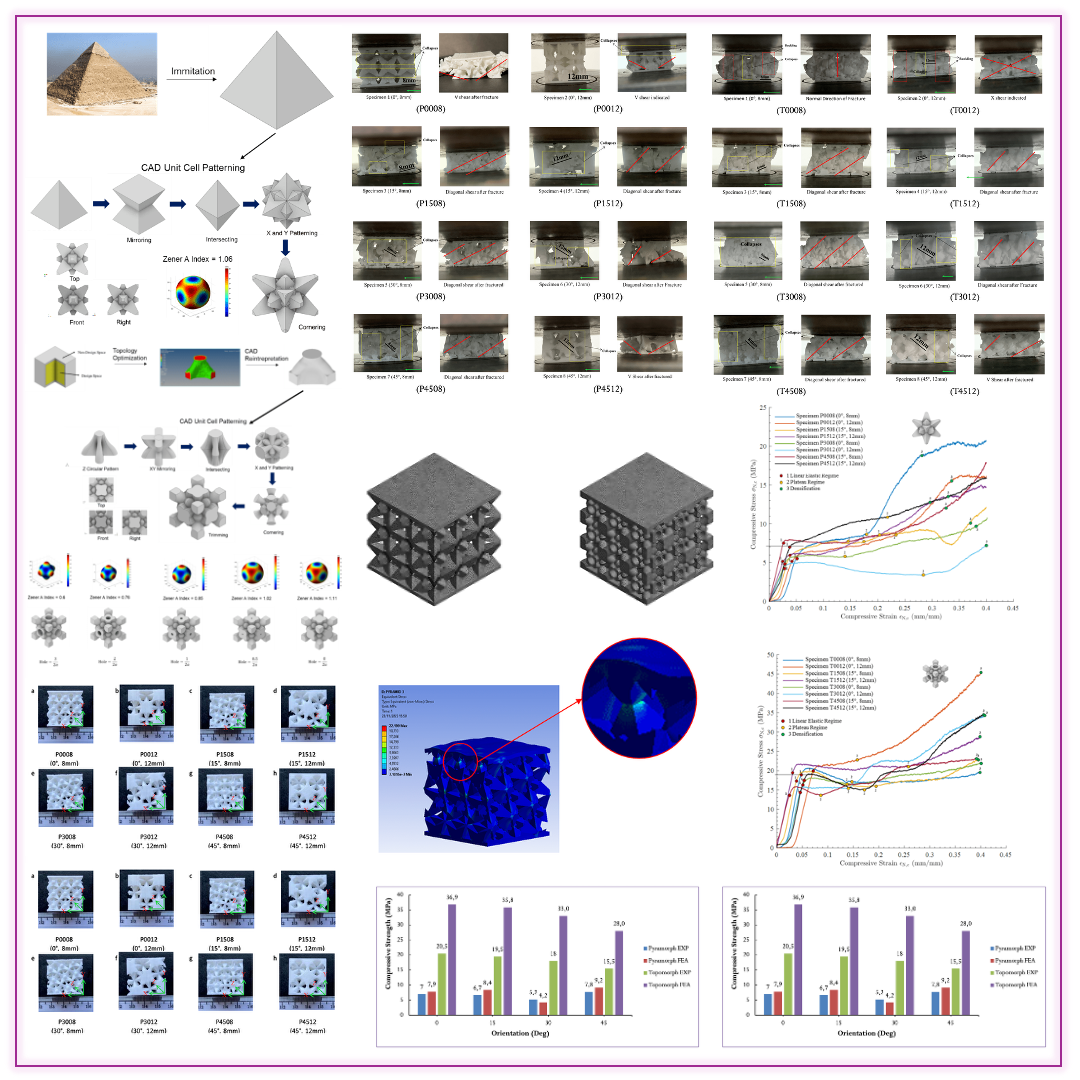
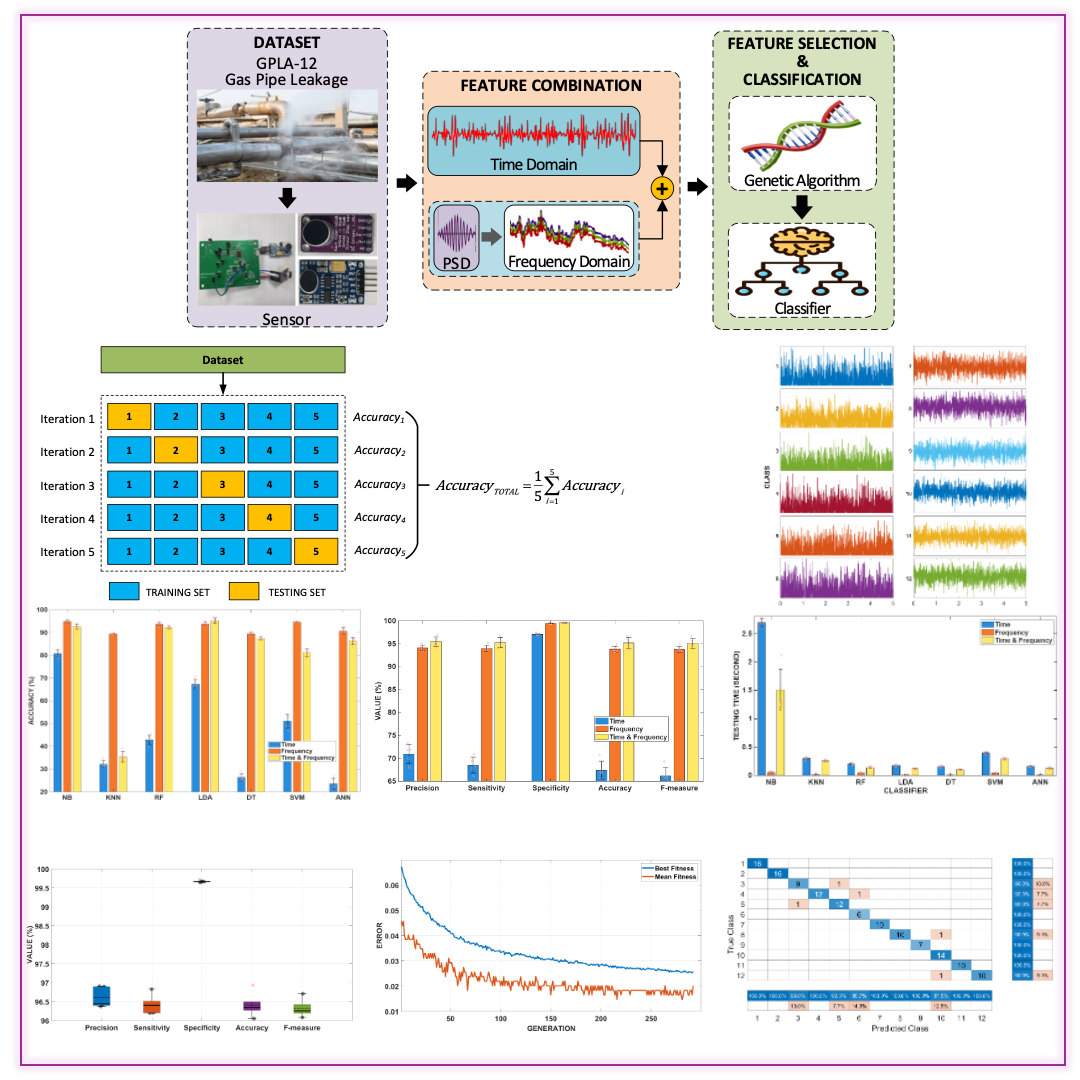
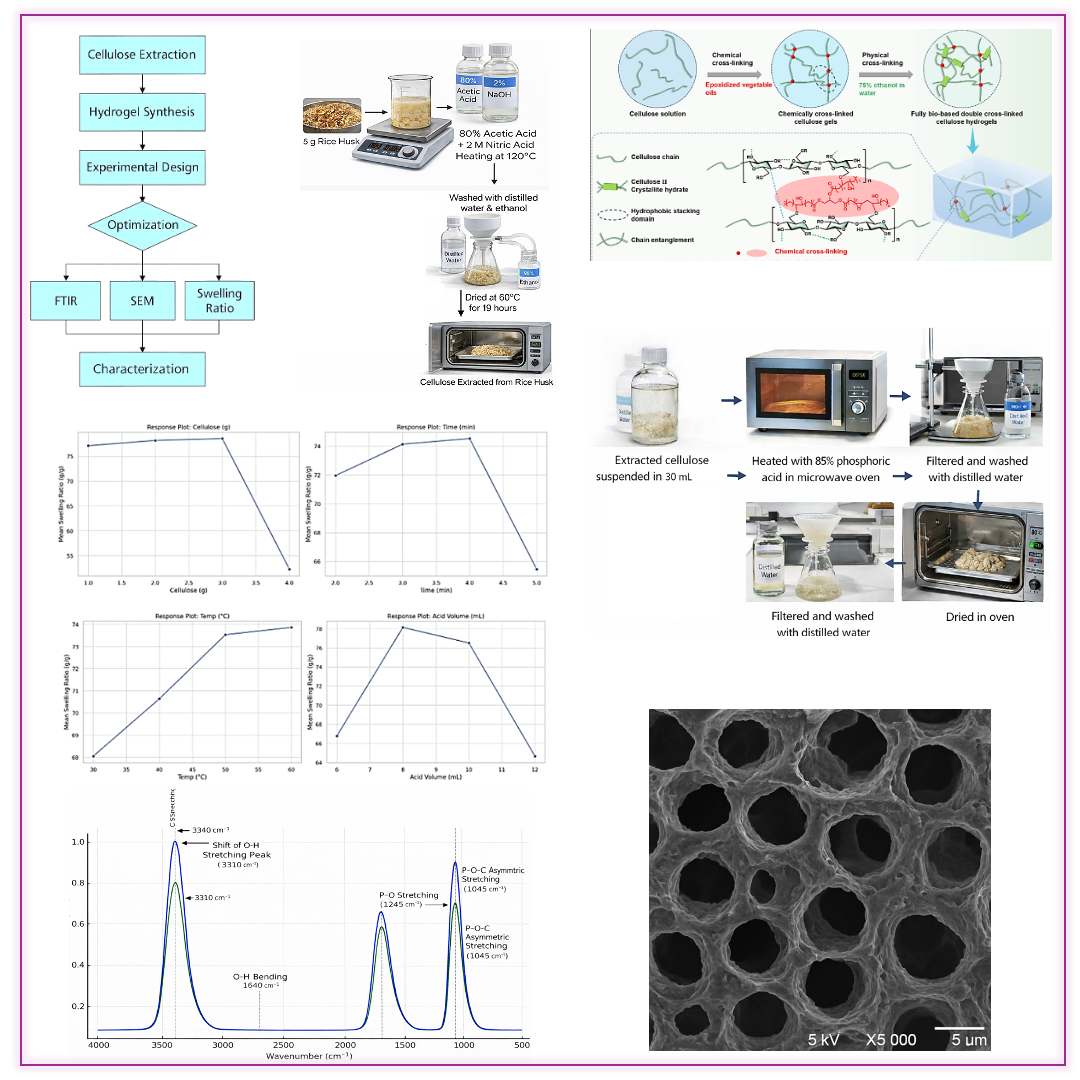
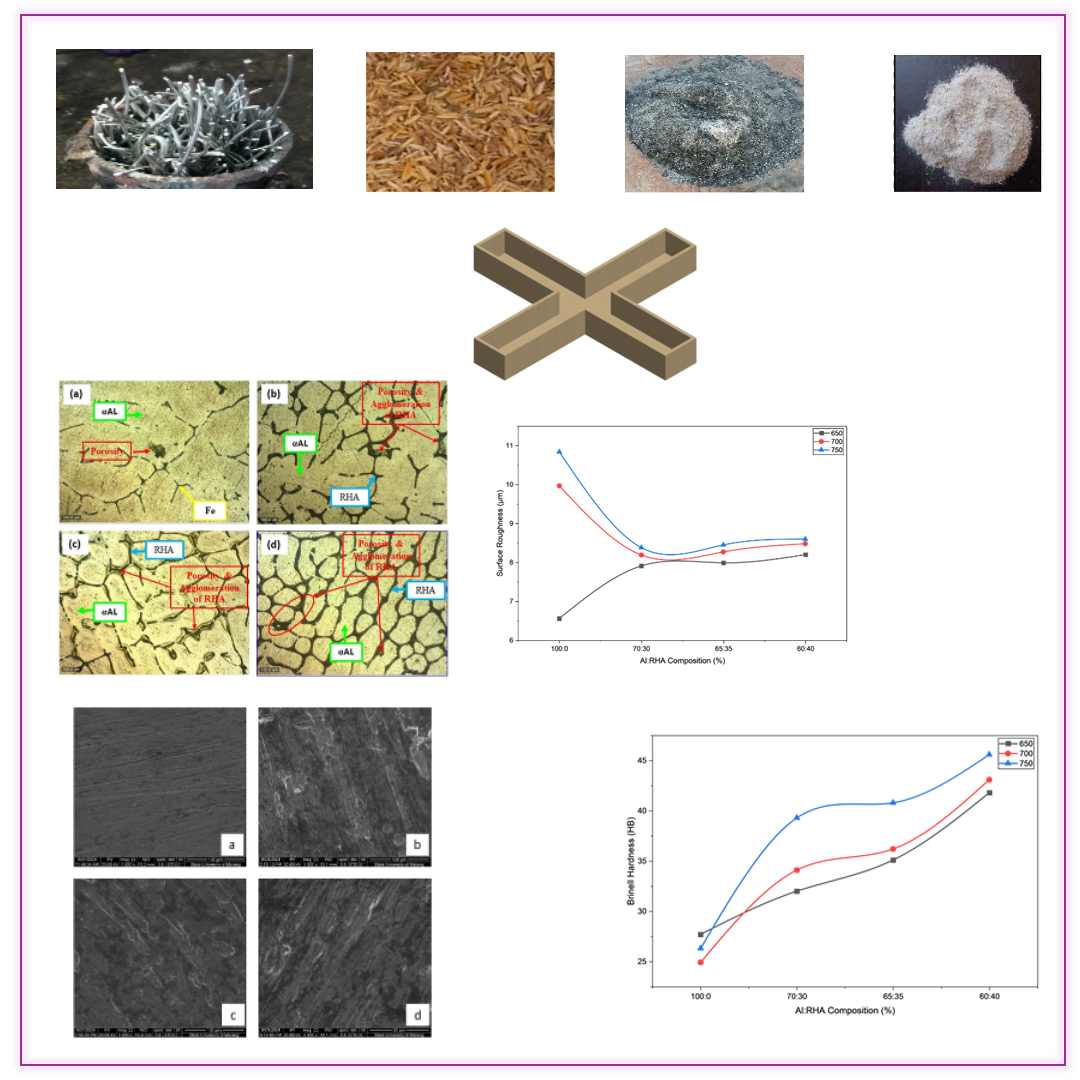
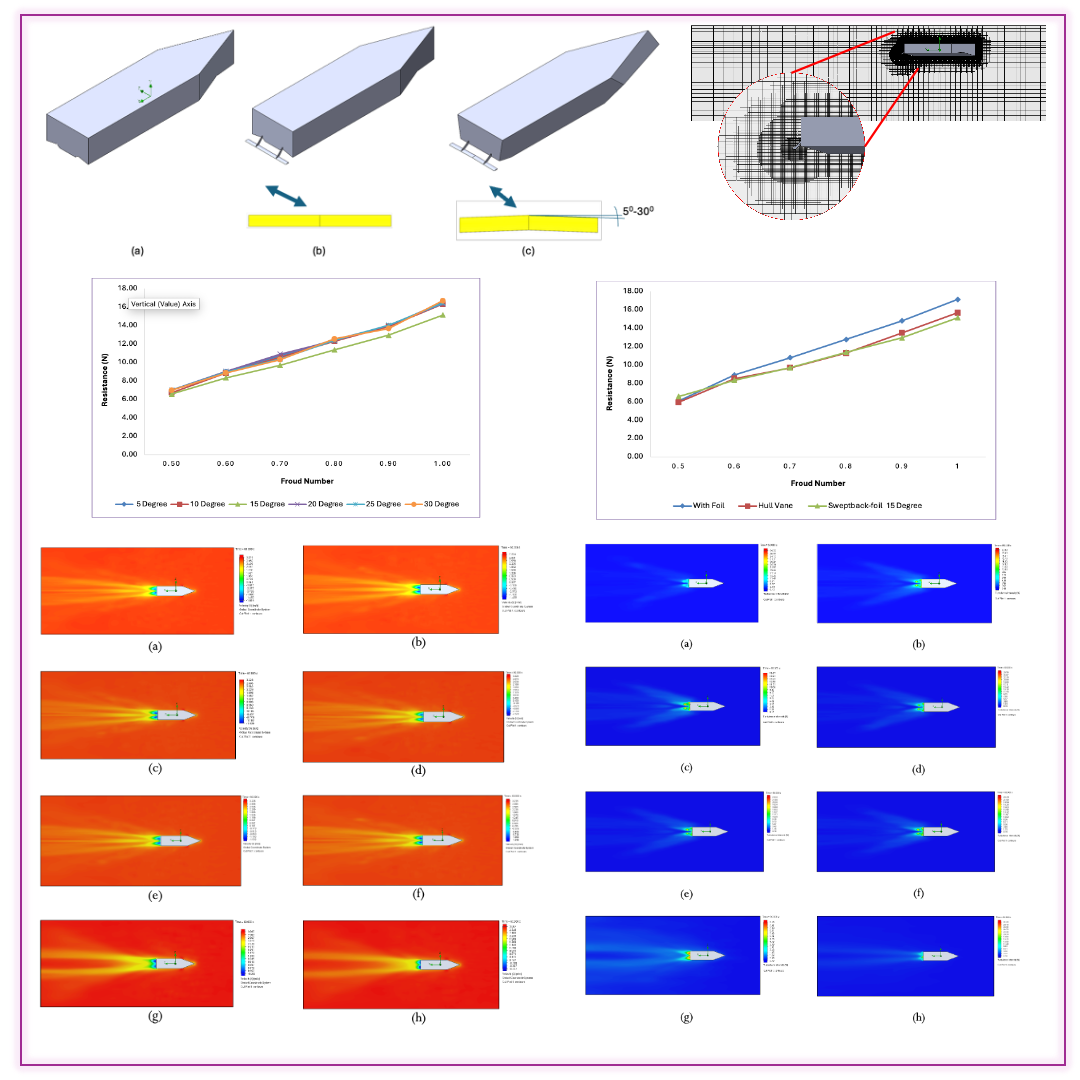
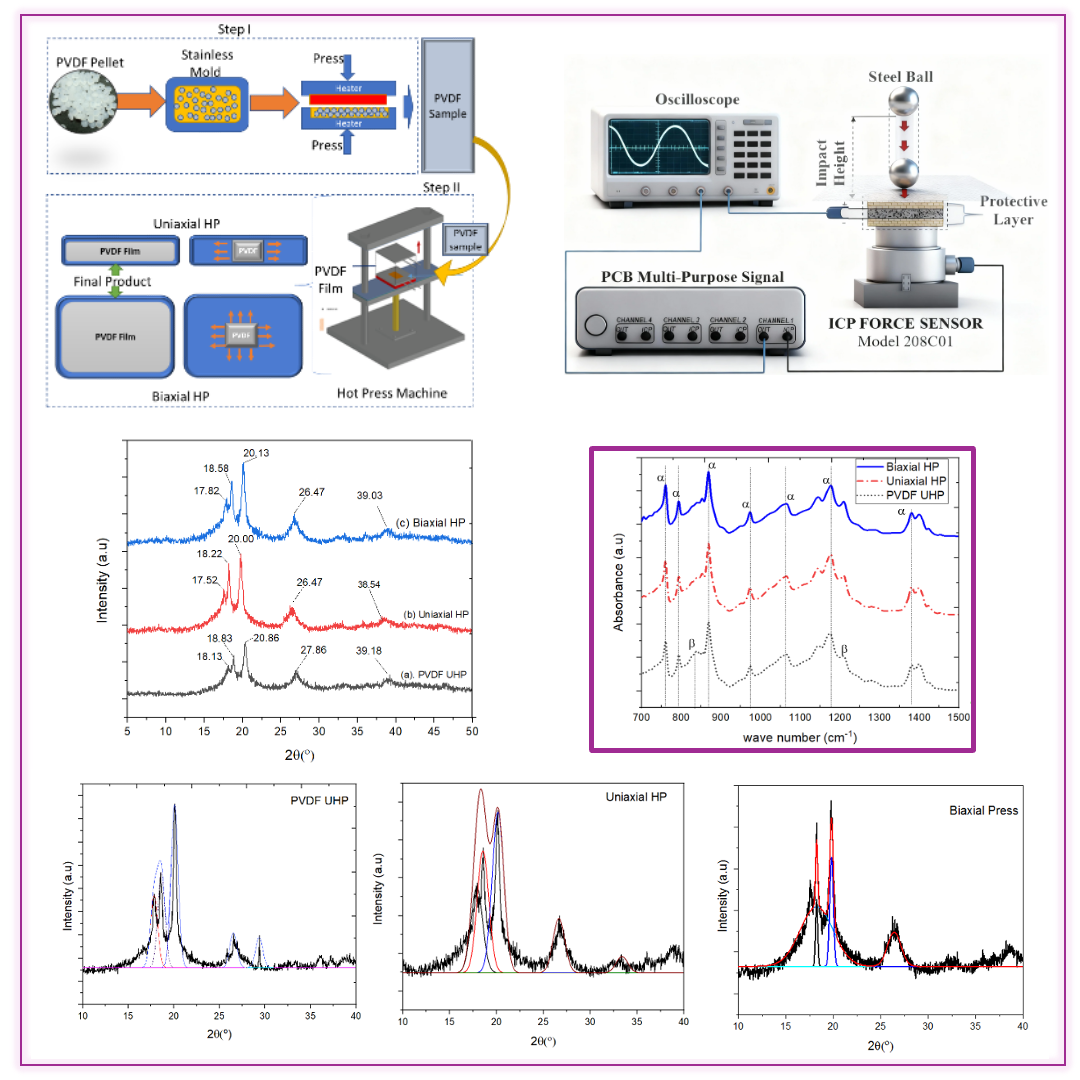
The published papers address a broad range of contemporary engineering challenges, including comparative analysis of bio-inspired and topology-optimized lattice structures under compressive loading, multiclass gas pipeline leak detection using machine learning and genetic algorithm-optimized classification models, grid convergence analysis of H-Darrieus wind turbines with multiple blade configurations, spatial modelling of shallow groundwater quality in coastal areas using Kriging interpolation, optimization of cellulose-phosphate hydrogel production from rice husk waste, evaporative pattern casting of scrap aluminum–rice husk ash composites, CFD-based hydrodynamic optimization of sweptback stern foils for ship resistance reduction, and enhancement of piezoelectric performance in PVDF films through uniaxial and biaxial hot-pressing techniques. The issue highlights the growing integration of experimental investigations, computational modelling, optimization methods, artificial intelligence, advanced manufacturing technologies, and sustainable materials engineering to address contemporary engineering challenges.
In line with the journal’s focus and scope, this issue contributes to the advancement of knowledge in mechanical systems, materials and manufacturing technologies, fluid mechanics and energy engineering, computational and simulation-based engineering, artificial intelligence applications in engineering, and interdisciplinary engineering innovation. The findings presented in these studies provide valuable scientific insights and practical solutions for researchers, educators, industry practitioners, and policymakers working toward sustainable technological development and industrial advancement.