Vol. 5 No. 2 (2022): Regular Issue
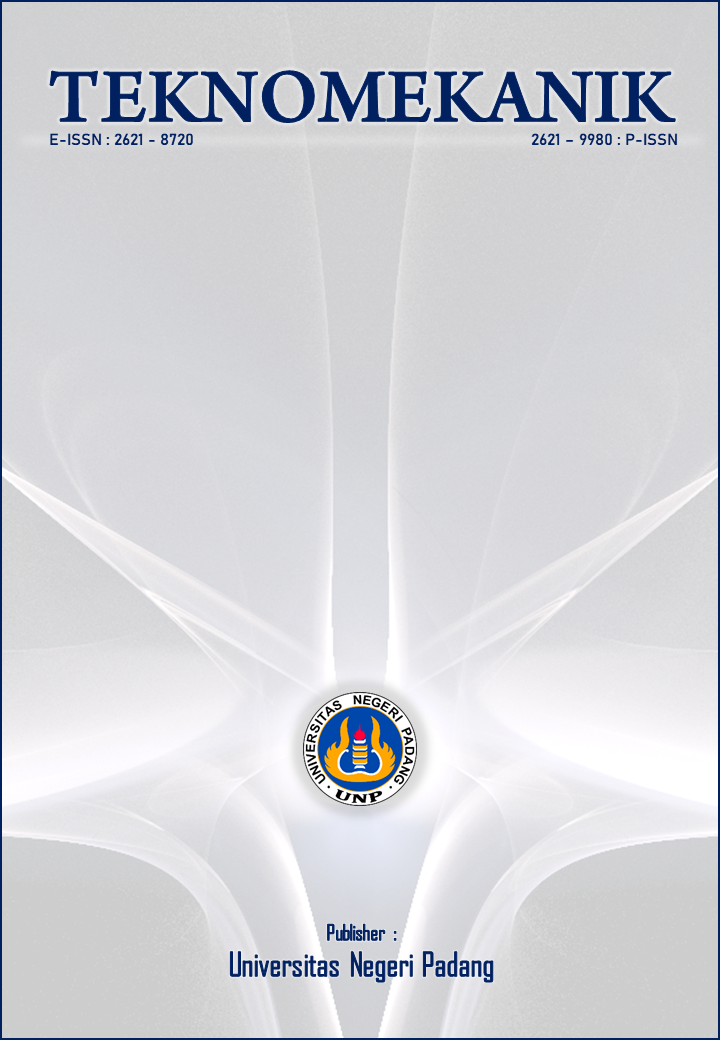
The articles published in Teknomekanik Volume 5, Issue 2 (2022) showcase recent advances in mechanical engineering, materials engineering, energy systems, computational fluid dynamics, industrial engineering, and intelligent technology applications. This issue brings together 7 research articles authored by 31 researchers from 14 institutions across 7 countries, including China, India, Indonesia, Pakistan, Sudan, Taiwan, and Vietnam.
The contributing institutions include Tongji University (China); Symbiosis Institute of Business Management and Symbiosis International University (India); Andalas University, BRIN–Andalas University Research Collaboration Center, Politeknik Negeri Padang, Universitas Diponegoro, Universitas Indonesia, and Universitas Negeri Padang (Indonesia); Quaid-e-Awam University of Engineering, Science and Technology (Pakistan); Sudan Atomic Energy Commission (Sudan); Chaoyang University of Technology, National Cheng Kung University, and National Taiwan University of Science and Technology (Taiwan); and Vinh Long University of Technology Education (Vietnam). These contributions reflect the journal’s commitment to fostering international collaboration and promoting the exchange of engineering knowledge across diverse scientific and technological communities.
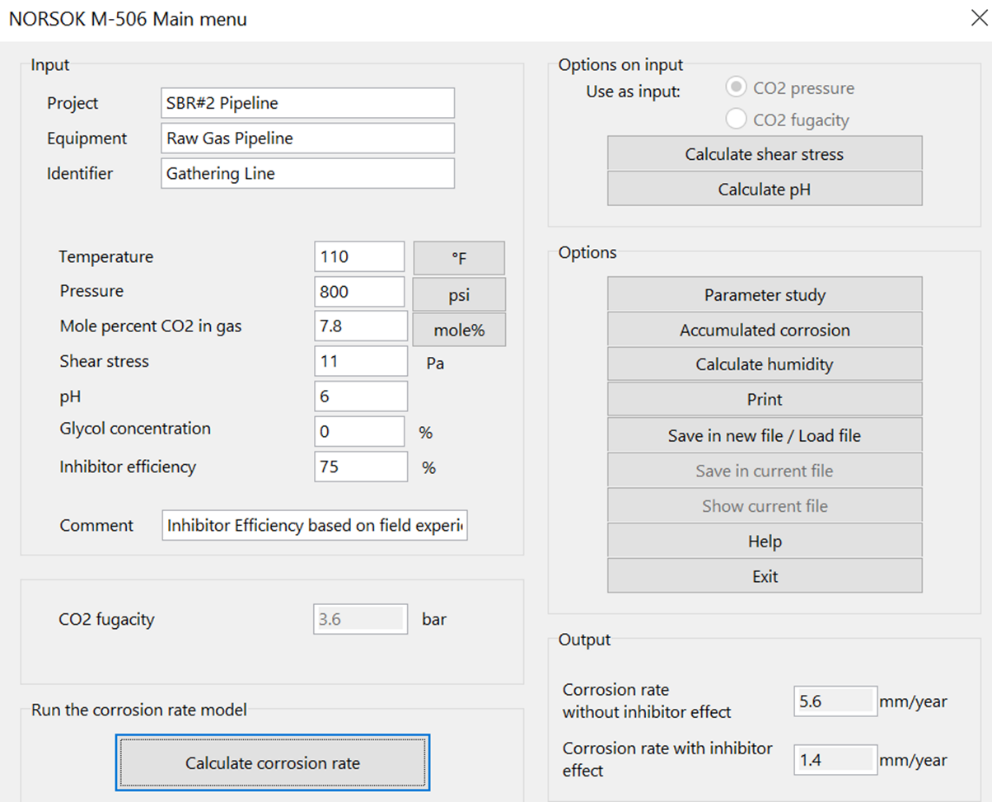
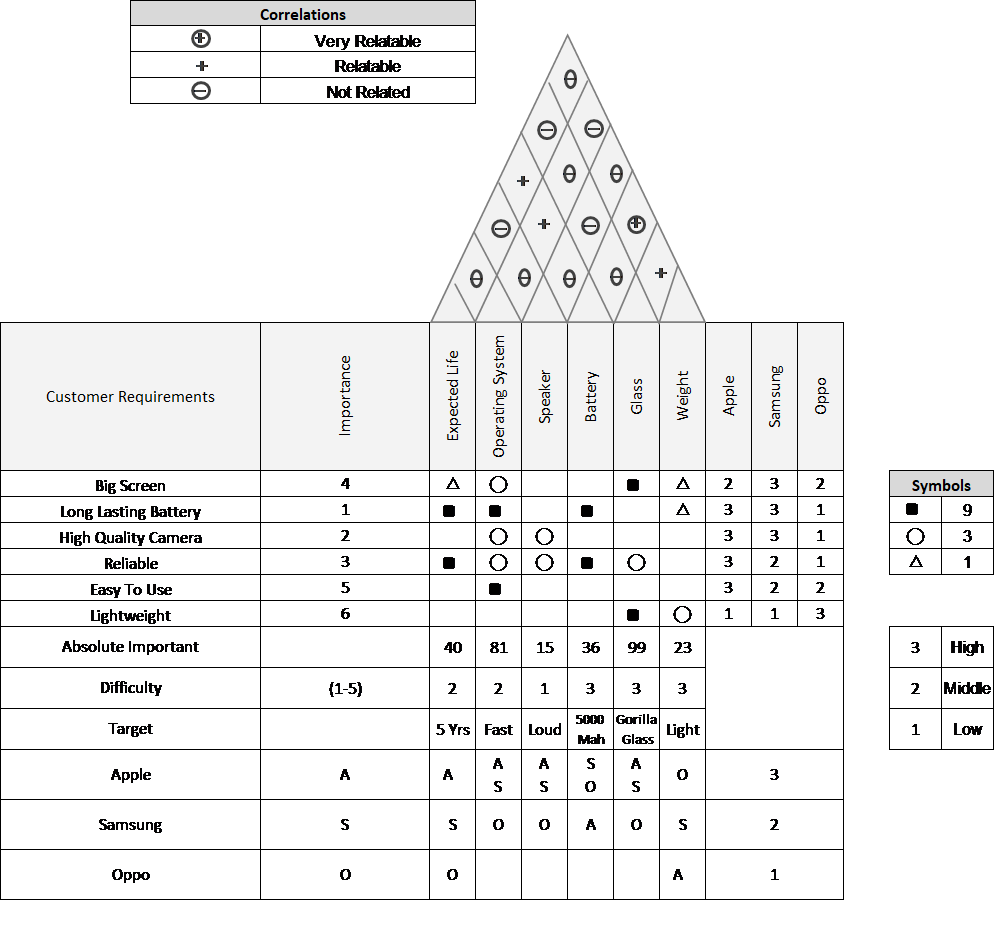
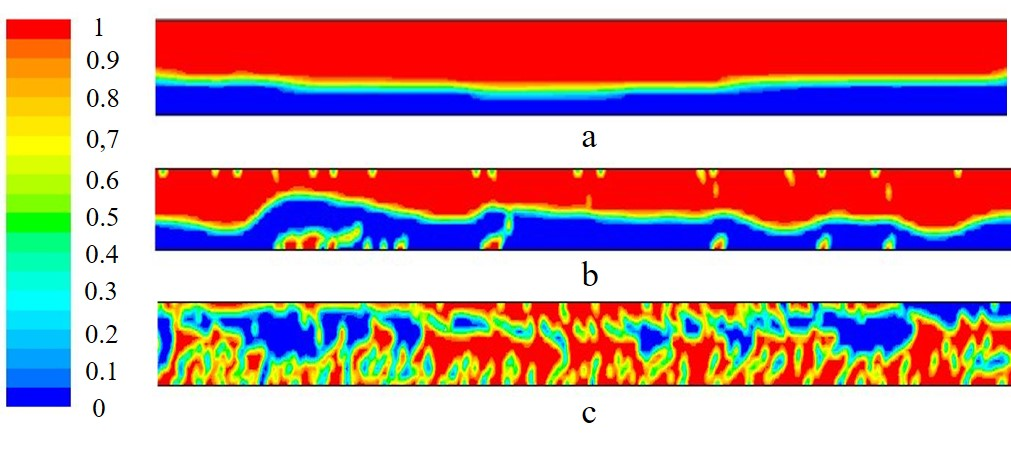
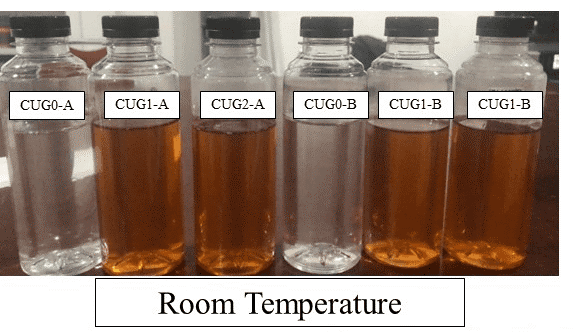
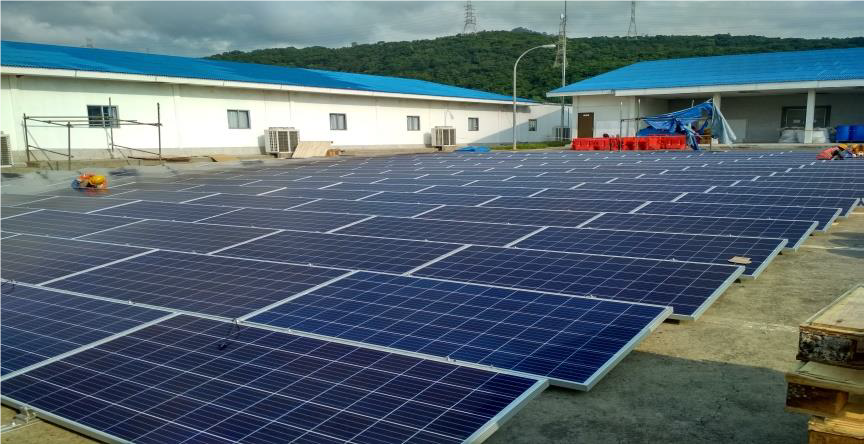
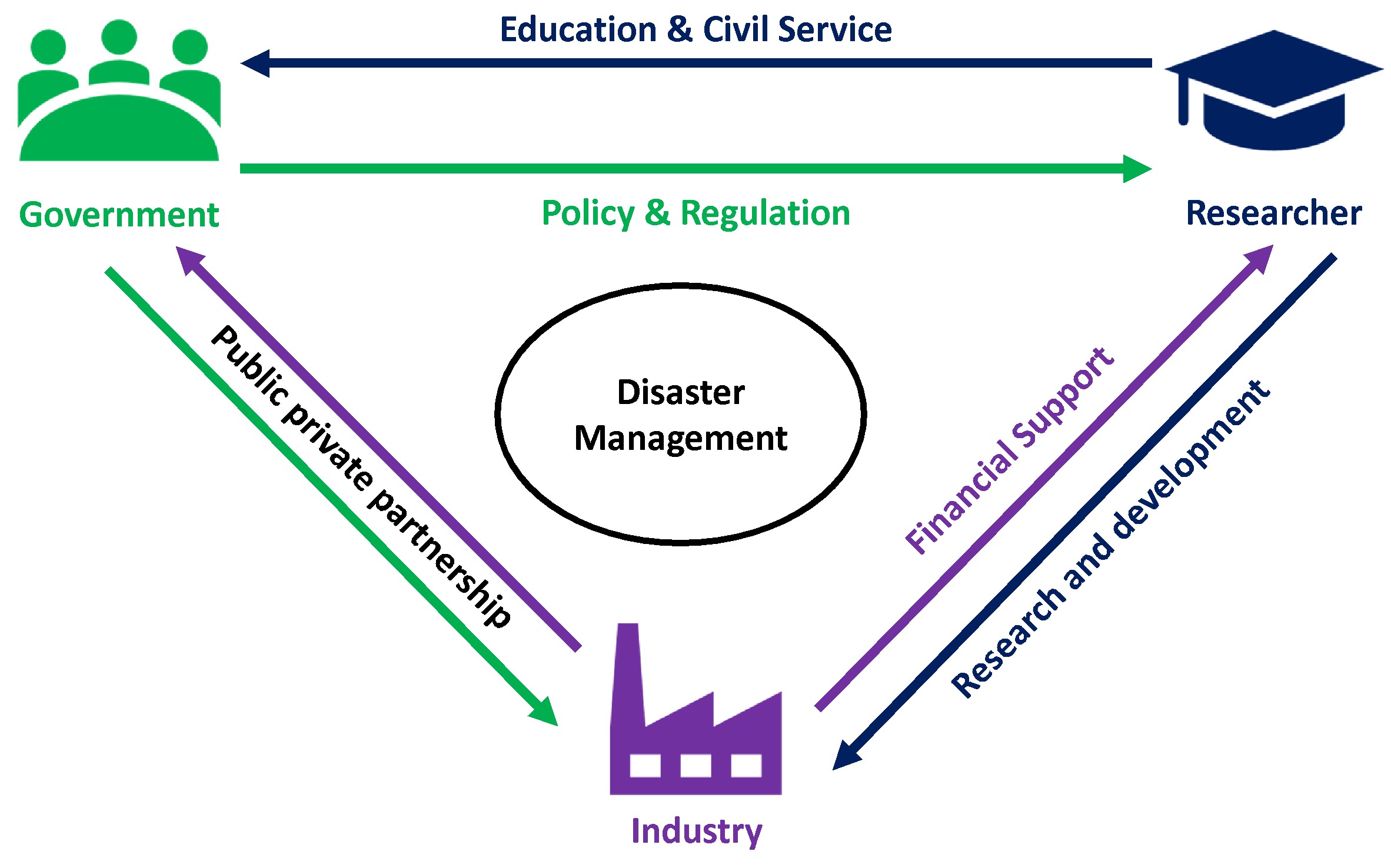
The published papers address a broad range of contemporary engineering challenges, including material selection for raw gas pipeline systems in gas field applications, quality function deployment (QFD)-based analysis of smartphone product requirements, numerical investigation of oil–water flow characteristics in stratified-annular horizontal pipelines, the influence of nanoparticle additives on the load-carrying capacity of cellulose-derived protective coatings, the effect of sonication on the stability of environmentally friendly carboxymethyl cellulose and Uncaria gambir extract-based water lubricants, integration of photovoltaic power generation into coal-fired power plants to reduce auxiliary power demand and coal consumption, and the utilization of image processing and machine learning techniques for flood disaster management. The issue highlights the growing integration of advanced materials engineering, energy optimization, computational simulations, decision-support methodologies, sustainable lubrication technologies, and artificial intelligence applications to address contemporary industrial and societal challenges.
In line with the journal’s focus and scope, this issue contributes to the advancement of knowledge in mechanical systems, materials engineering, fluid flow and energy systems, computational and simulation-based engineering, industrial optimization, renewable energy integration, and intelligent data-driven technologies. The findings presented in these studies provide valuable scientific insights and practical solutions for researchers, educators, industry practitioners, and policymakers working toward sustainable technological development and engineering innovation.
Published:
30-12-2022