Vol. 7 No. 2 (2024): Regular Issue
The articles published in Teknomekanik Volume 7, Issue 2 (2024) showcase recent advances in mechanical engineering, materials engineering, thermal systems, environmental technologies, chemical processes, and artificial intelligence applications. This issue brings together 6 research articles authored by 33 researchers from 13 institutions across 6 countries, including Bangladesh, India, Indonesia, Iraq, the Philippines, and Taiwan.
The contributing institutions include Jahangirnagar University (Bangladesh); Indian Maritime University, MES Keveeyam College, and Cochin University of Science and Technology (India); Universitas Negeri Padang, Universitas Muhammadiyah Magelang, Diponegoro University, Universitas Andalas, Politeknik Negeri Padang, and Universitas Riau (Indonesia); University of Baghdad (Iraq); University of Science and Technology of Southern Philippines (Philippines); and National Cheng Kung University (Taiwan). These contributions reflect the journal’s commitment to fostering international collaboration and promoting the exchange of engineering knowledge across diverse scientific communities.
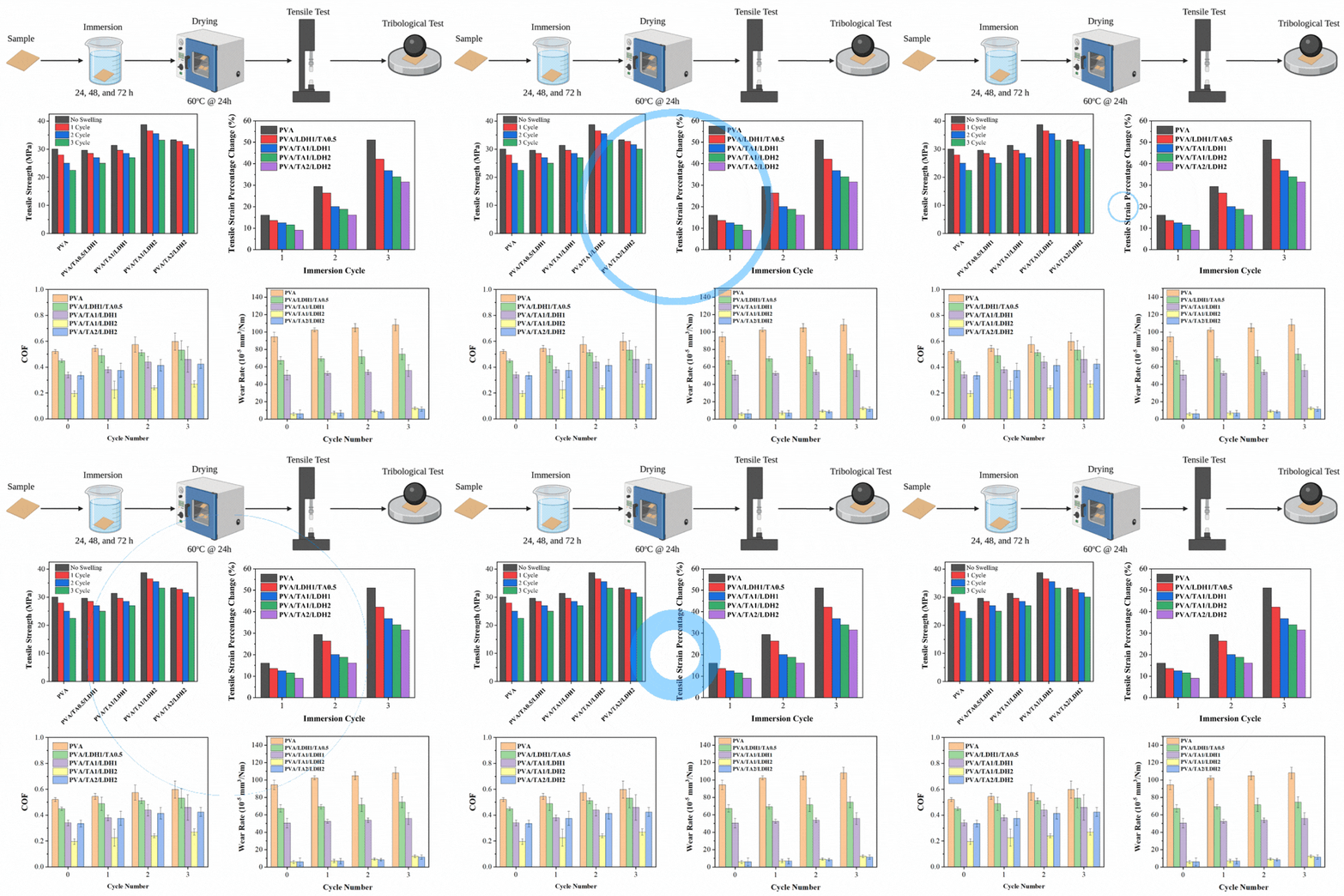
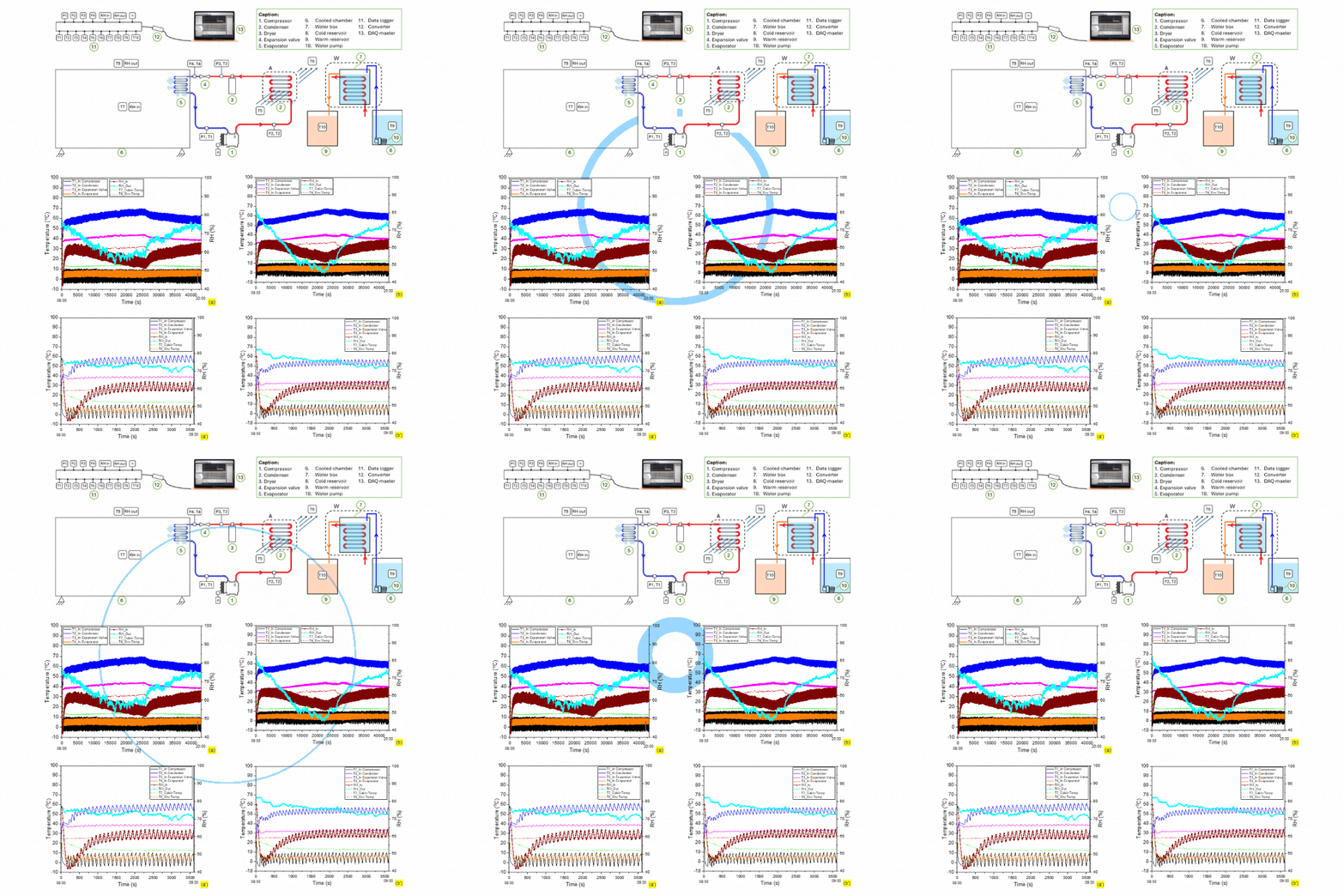
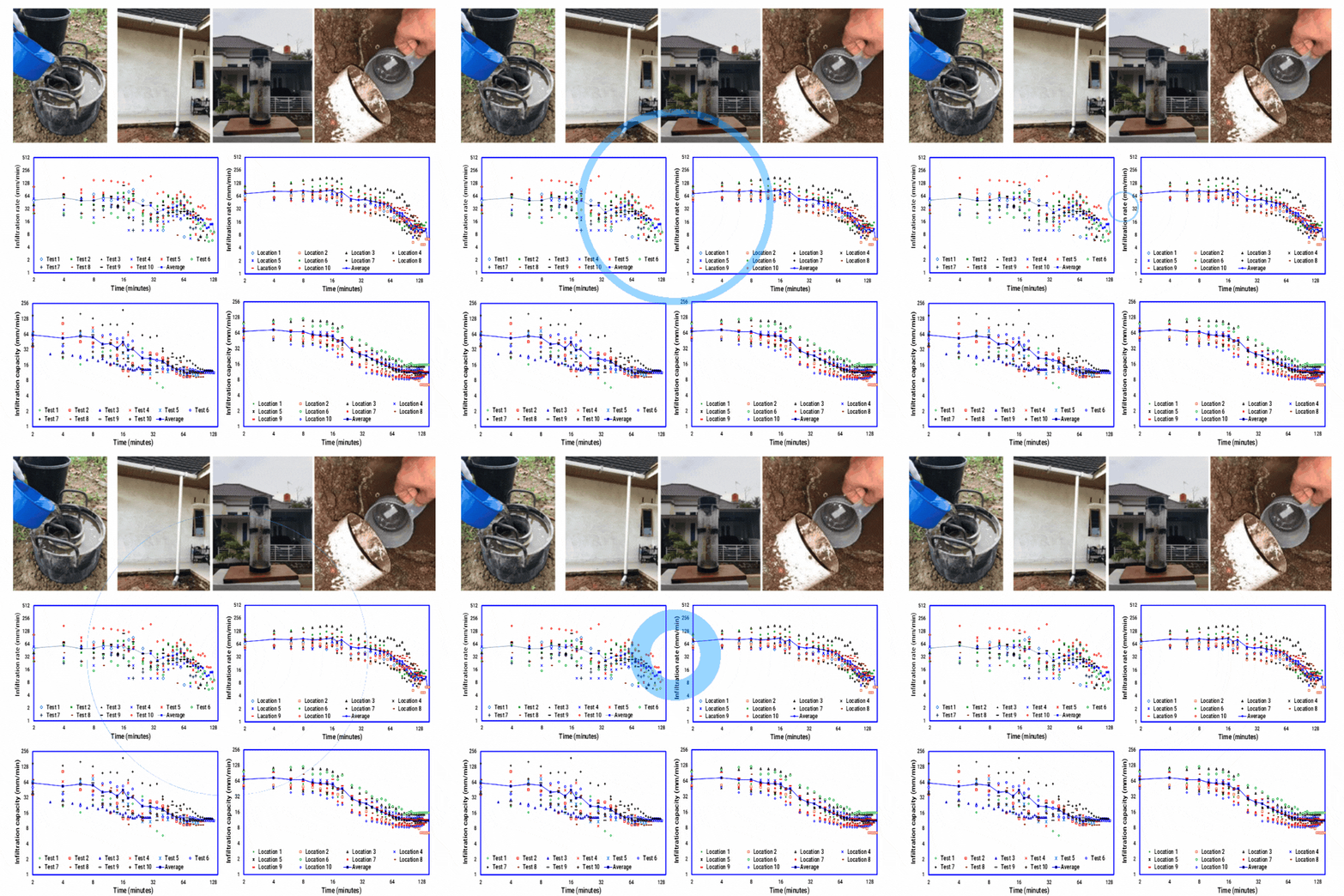
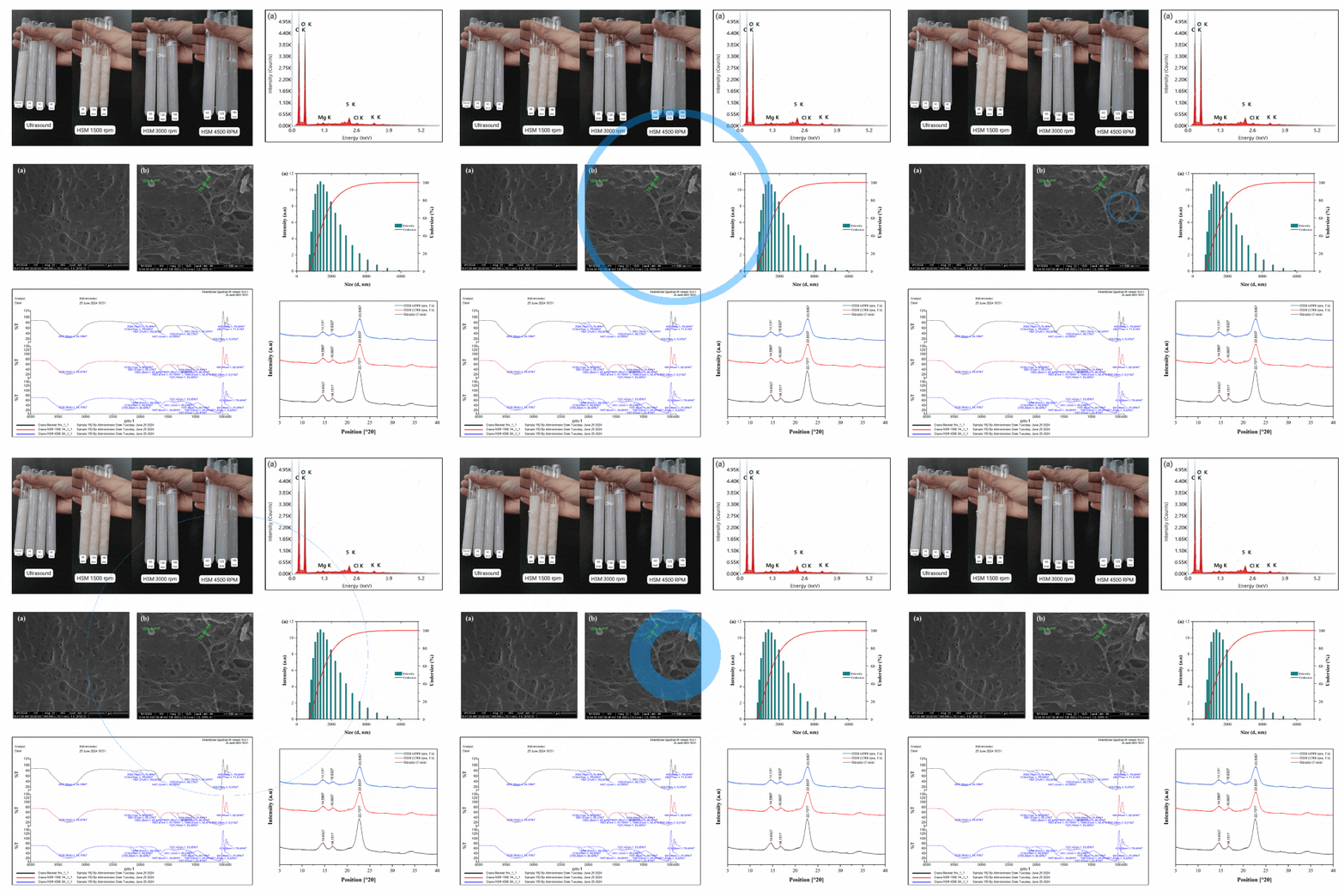
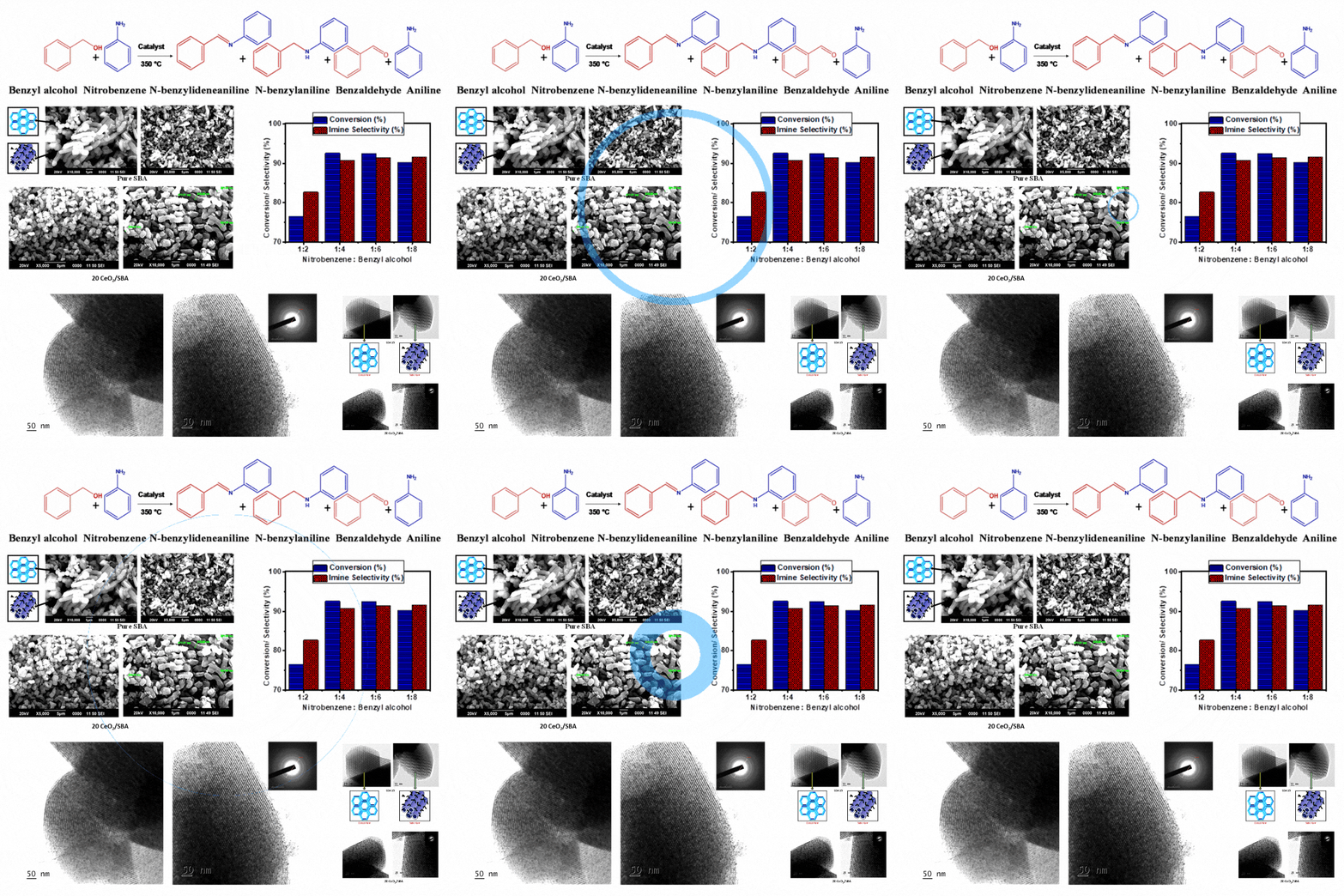
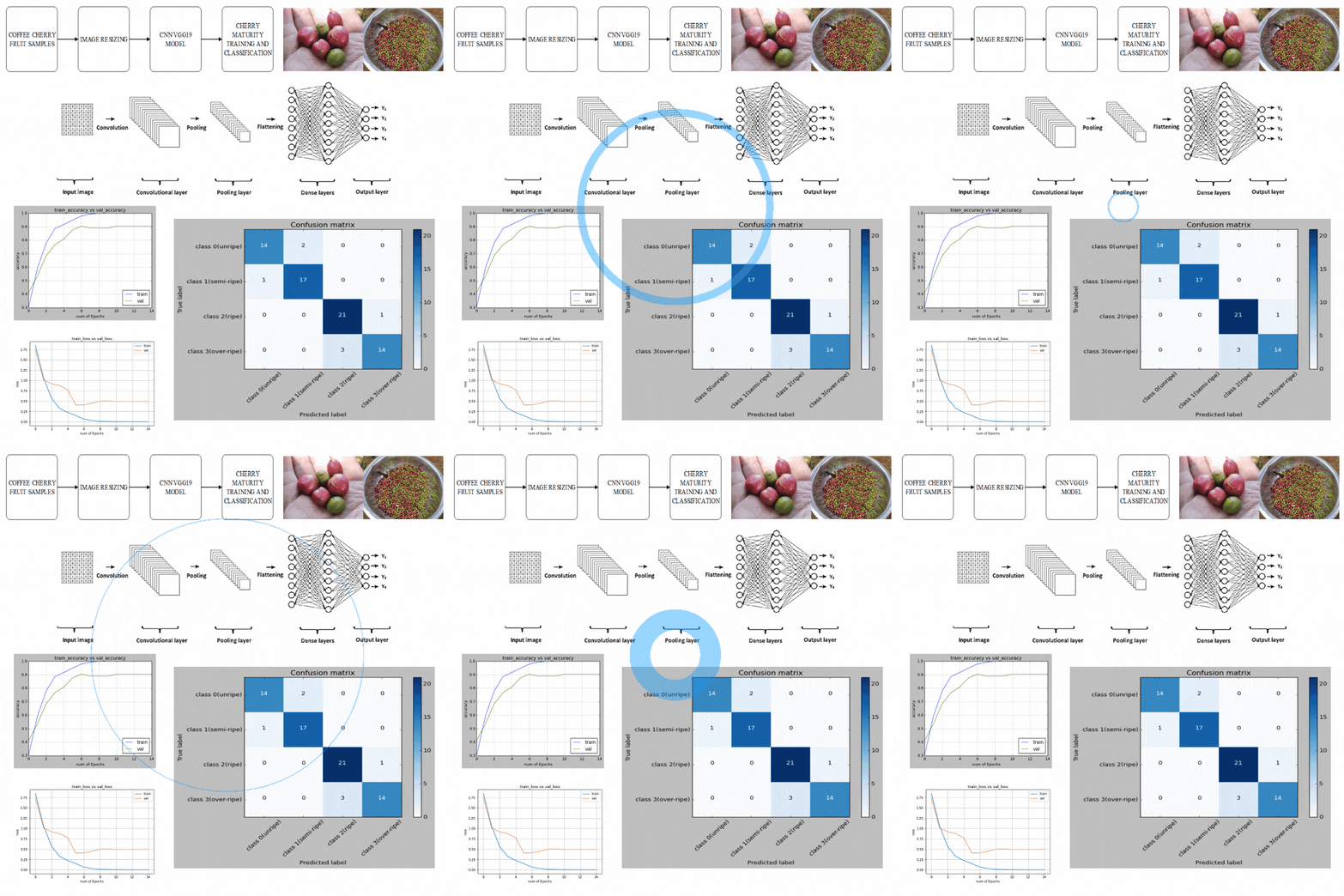
The published papers address a broad range of contemporary engineering challenges, including the enhancement of durability and tribological performance of polyvinyl alcohol-based composites, thermodynamic and energy efficiency analysis of vapor compression refrigeration systems with different condenser cooling methods, estimation of soil infiltration capacity using geophysical constants and artificial infiltration techniques, eco-friendly production of cellulose nanofibers from bacterial cellulose through high-shear fluid dynamics processing, catalytic synthesis of imines using cerium oxide-modified mesoporous materials, and deep learning-based classification of coffee cherry maturity levels using the CNN-VGG19 architecture. The issue highlights the growing integration of advanced materials engineering, energy-efficient technologies, environmental sustainability, chemical process innovation, and artificial intelligence to address emerging engineering and industrial challenges.
In line with the journal’s focus and scope, this issue contributes to the advancement of knowledge in mechanical systems, materials and manufacturing technologies, thermal and energy engineering, environmental and sustainable technologies, chemical engineering processes, computational intelligence, and interdisciplinary engineering innovation. The findings presented in these studies provide valuable scientific insights and practical solutions for researchers, educators, industry practitioners, and policymakers working toward sustainable technological development and industrial advancement.