Vol. 8 No. 1 (2025): Regular Issue

The articles published in Teknomekanik Volume 8, Issue 1 (2025) showcase recent advances in mechanical engineering, materials engineering, manufacturing technologies, renewable energy systems, computational modeling, and interdisciplinary engineering applications. This issue brings together 8 research articles authored by 40 researchers from institutions across 10 countries, including Brazil, Egypt, France, Indonesia, Japan, Malaysia, Taiwan, the United Kingdom, Vietnam, and Zambia.
The contributing institutions include Federal University of Rio Grande do Norte (Brazil); Al-Azhar University, Benha University, and October High Institute of Engineering Technology (Egypt); Université Paris Nanterre (France); Institut Teknologi Sepuluh Nopember, National Research and Innovation Agency (BRIN), Universitas Andalas, Universitas Brawijaya, Universitas Diponegoro, Universitas Indonesia, Universitas Negeri Malang, Universitas Negeri Padang, Universitas Pendidikan Indonesia, and Universitas Riau (Indonesia); Ehime University (Japan); Universiti Malaysia Perlis and Universiti Tunku Abdul Rahman (Malaysia); National Cheng Kung University (Taiwan); De Montfort University (the United Kingdom); University of Transport and Communications and Vinh Long University of Technology Education (Vietnam); and Ministry of Water Development and Sanitation (Zambia). These contributions demonstrate the journal’s commitment to strengthening international collaboration and promoting the exchange of engineering knowledge across diverse research communities.
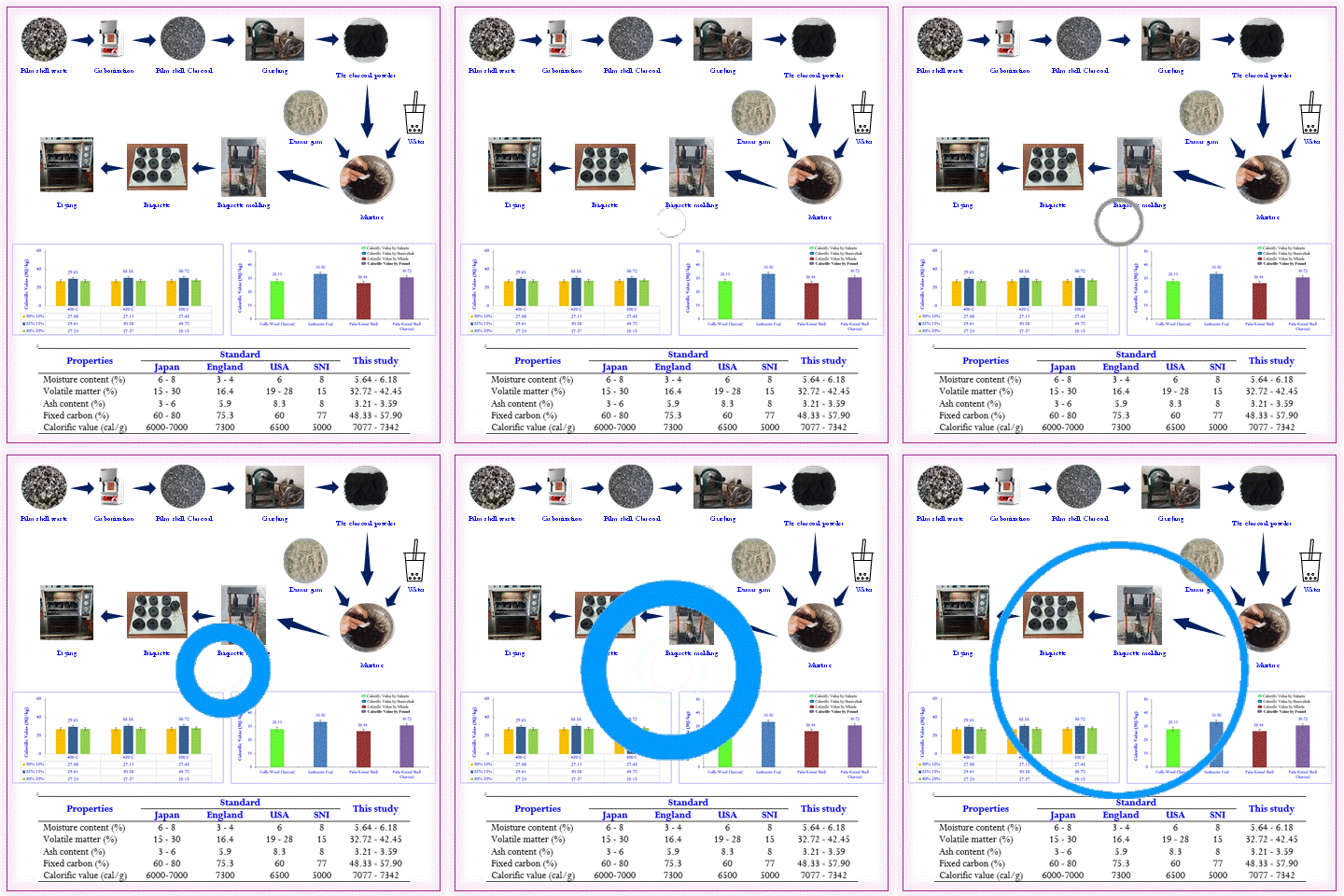
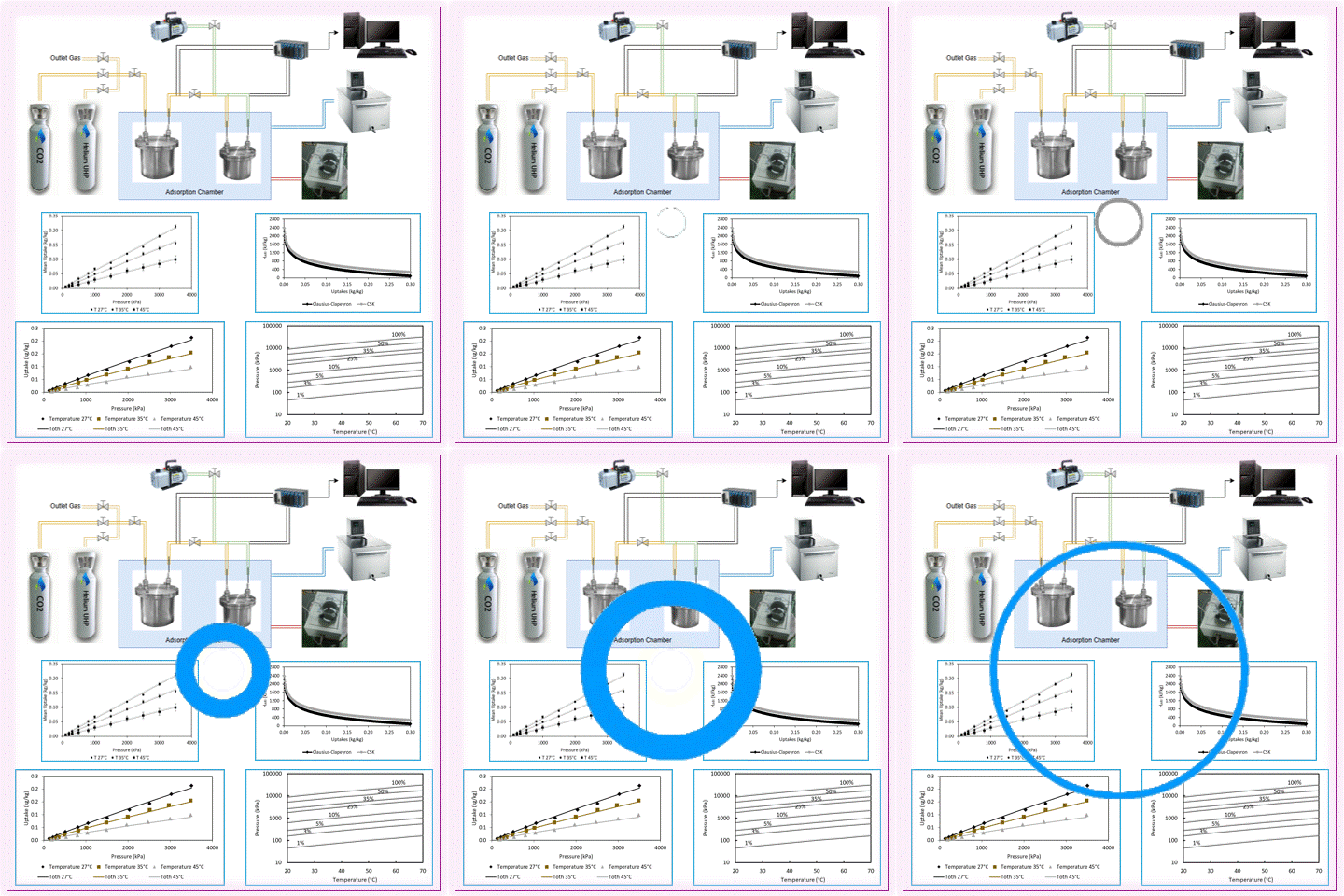
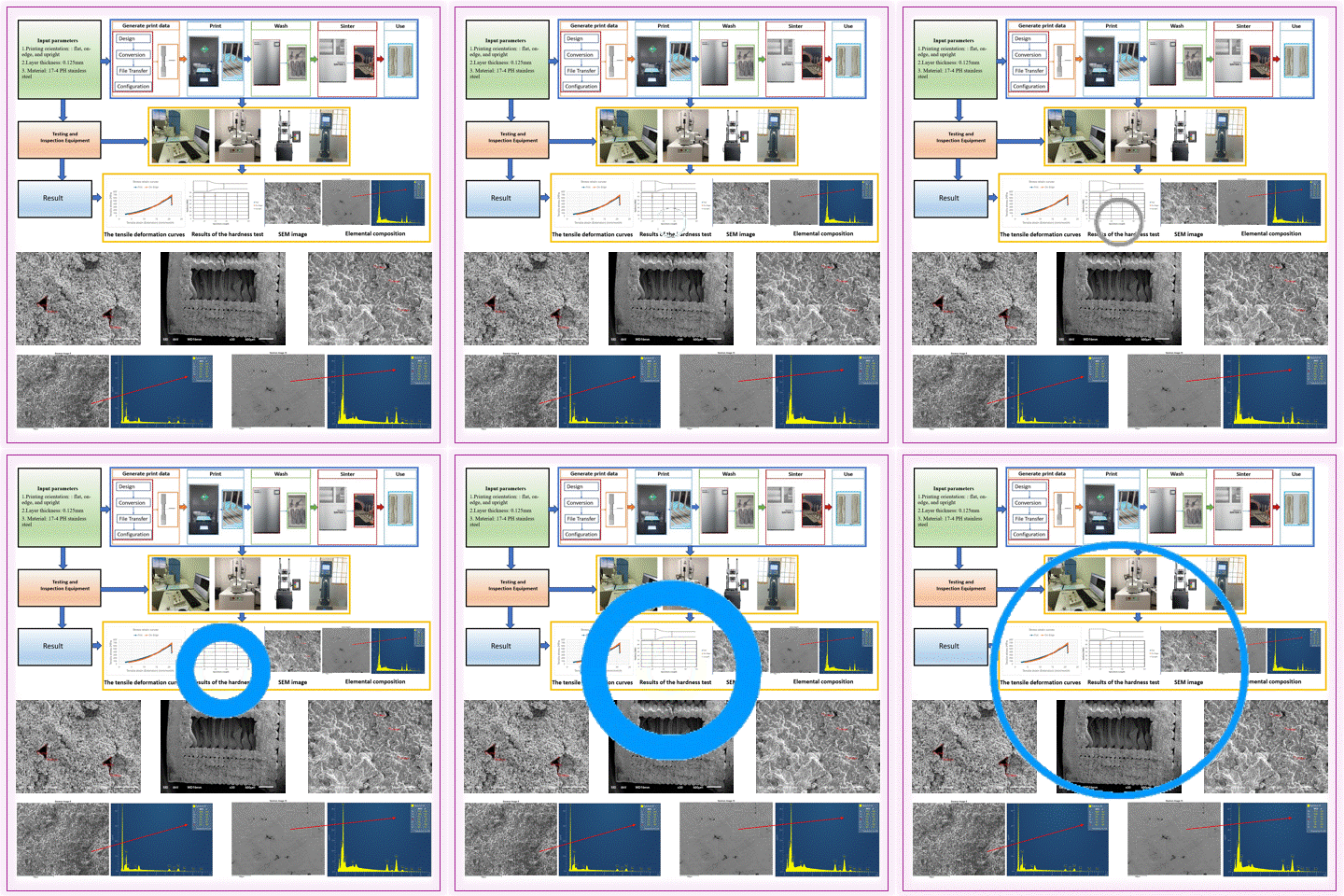
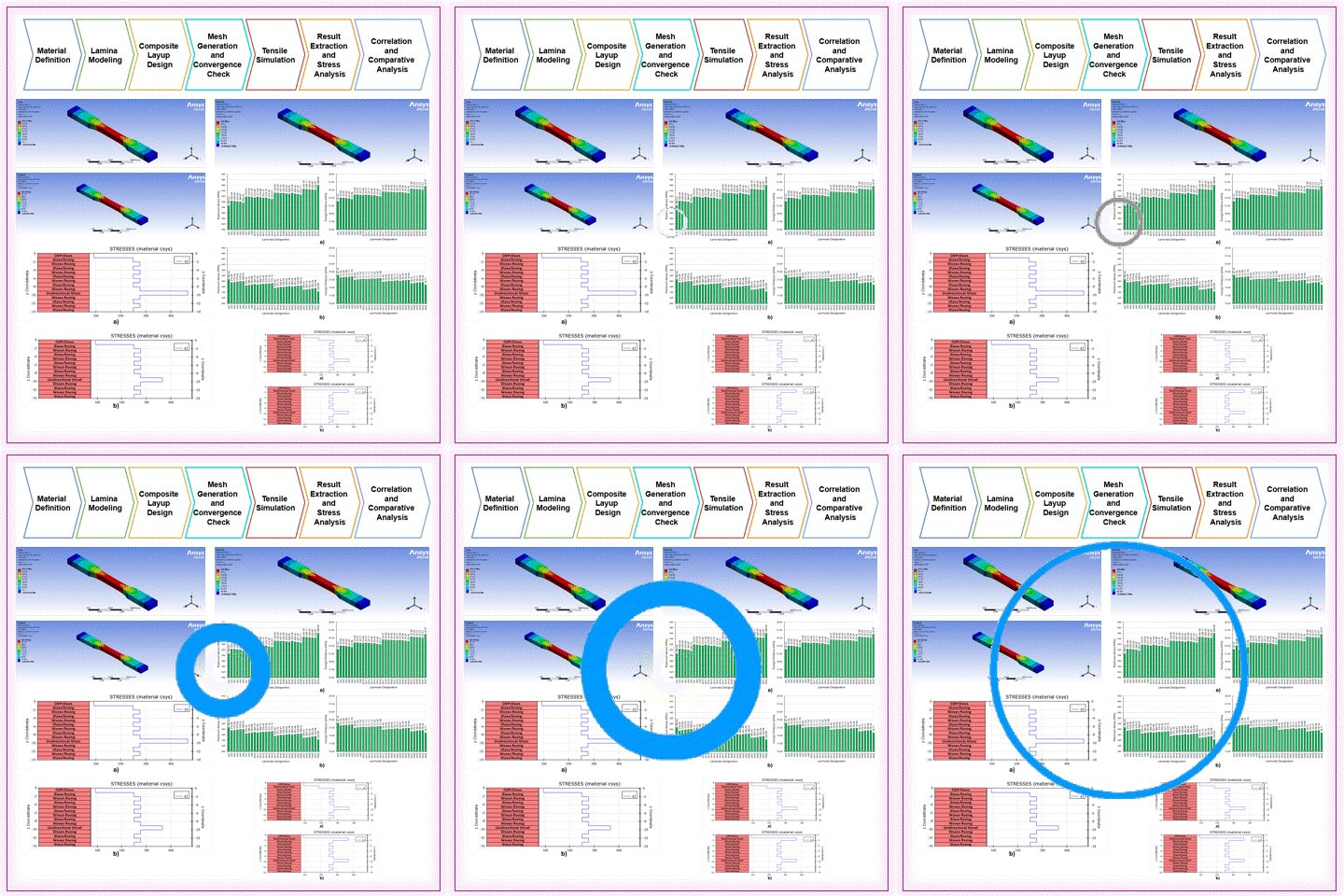
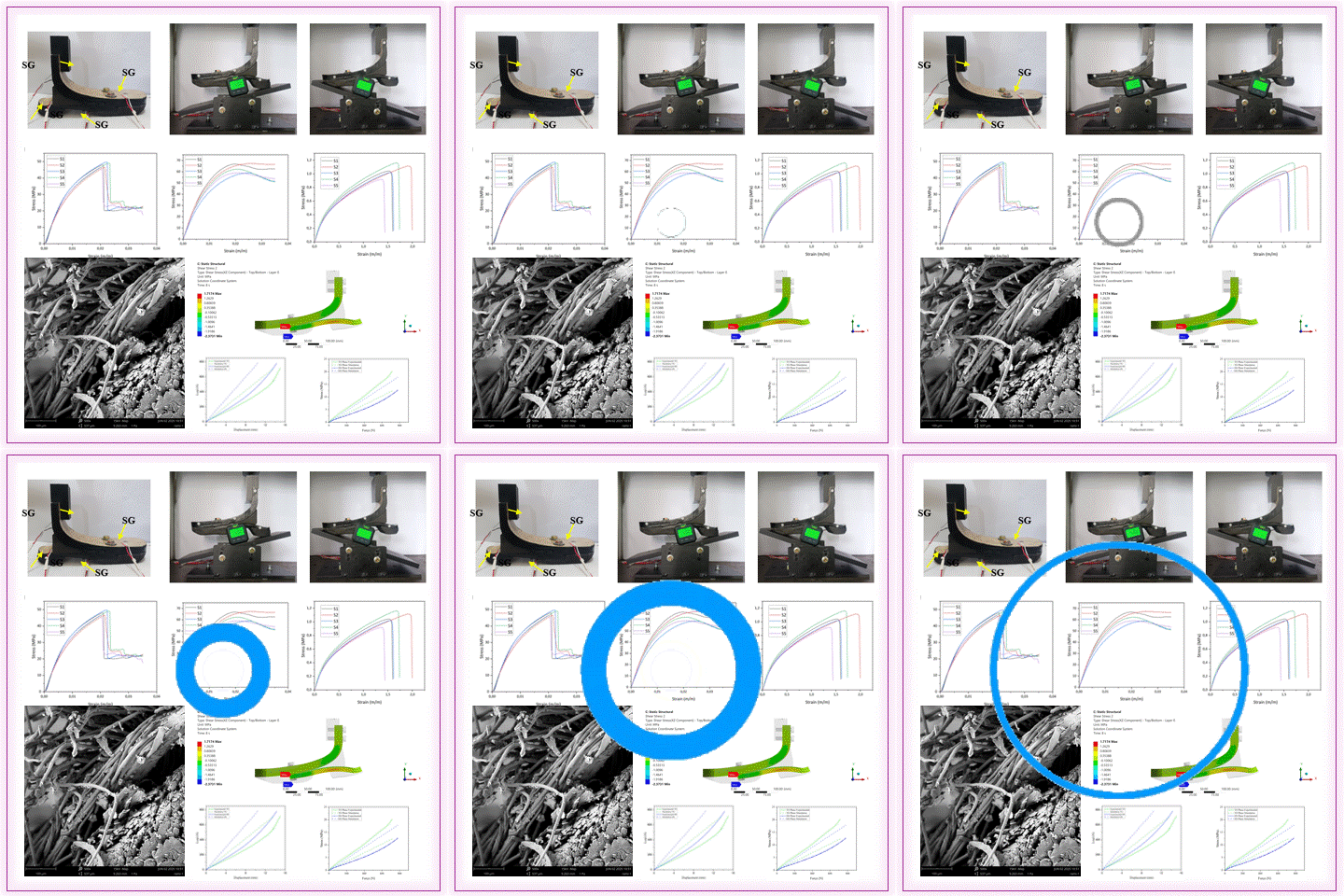
The published papers address a broad range of contemporary engineering challenges, including magnetohydrodynamic flow behavior of tangent hyperbolic nanofluids with variable viscosity, sustainable biomass energy production through the development of damar-bound charcoal briquettes, characterization of sodium chloride-treated sisal fiber composite boards, carbon dioxide capture using microporous materials synthesized from polyethylene terephthalate (PET) plastic waste, microstructural and mechanical performance of 17-4PH stainless steel produced by material extrusion additive manufacturing, durability assessment of ferronickel slag aggregate and seawater concrete, numerical evaluation of natural fiber substitution in glass fiber-reinforced polymer composites, and the design and structural assessment of environmentally friendly prosthetic feet fabricated from ramie–PLA composite materials. The issue highlights the growing integration of advanced materials engineering, sustainable manufacturing, renewable energy technologies, computational simulations, additive manufacturing, and environmentally responsible engineering solutions to address emerging industrial and societal challenges.
In line with the journal’s focus and scope, this issue contributes to the advancement of knowledge in mechanical systems, materials and manufacturing technologies, sustainable energy engineering, computational and simulation-based engineering, additive manufacturing, civil and infrastructure materials, biomedical engineering applications, and interdisciplinary engineering innovation. The findings presented in these studies provide valuable scientific insights and practical solutions for researchers, educators, industry practitioners, and policymakers working toward sustainable technological development and engineering excellence.